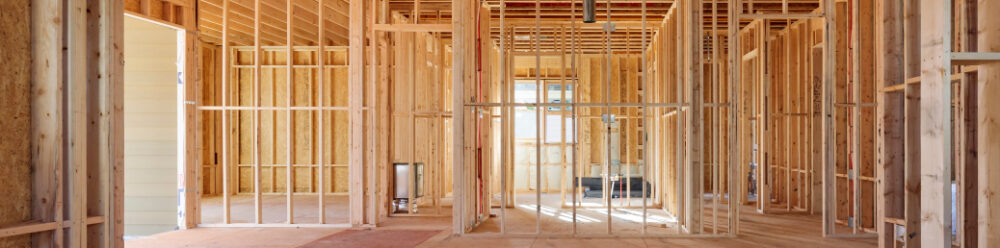

Binghamton Housing Assistance: What You Should Know owning or renting a home in Binghamton can be exhilarating yet daunting. Maintenance bills pile up. Utility costs surge. Sometimes, a helping hand is all you need. Through a spectrum of programs, Binghamton housing assistance offers financial lifelines, technical guidance, and community resources designed to bolster both homeowners and renters. This guide unpacks every nuance: from eligibility thresholds to application blueprints, spotlighting opportunities you can’t afford to overlook.

The Imperative for Housing Assistance
Economic ebbs and flows can render even modest housing costs burdensome. Structural maladies—like crumbling foundations or archaic electrical systems—compound the strain, threatening safety and long-term equity. By tapping into Binghamton housing assistance, households can avert crises before they erupt. Programs range from rental subsidies to home repair grants. Each initiative serves as a fulcrum for stability, ensuring families remain ensconced in secure dwellings rather than teetering on the brink of displacement.
Overview of Key Assistance Streams
The mosaic of local, state, and federal offerings includes:
- Rental Assistance Vouchers
- Home Repair and Rehabilitation Grants
- Energy Efficiency Incentives
- Utility Bill Support Programs
- Foreclosure Prevention Counseling
While some initiatives target low-income households exclusively, others adopt broader parameters—like supporting seniors or residents with disabilities. Navigating this landscape requires clarity about program scopes and stipulations.
Rental Assistance Vouchers
Rental vouchers subsidize monthly rent payments, bridging the gap between income and market rates. In Binghamton, the Housing Authority administers Section 8-style vouchers tailored to local rent levels. Qualification hinges on household income, family size, and current waiting lists.
Short sentence. The process is rigorous but equitable. Applicants submit income statements, proof of residency, and demographic information. Once approved, families pay roughly 30% of their adjusted income toward rent; the voucher covers the remainder up to a program cap. This arrangement stabilizes budgets, freeing up funds for essential needs like healthcare, education, or emergency savings.
Home Repair and Rehabilitation Grants
Homeownership shouldn’t equate to financial tumult. Through Binghamton housing assistance, homeowners can access grants to remedy critical repairs. Eligible projects encompass:
- Roof replacement or repair
- Electrical rewiring to modern code
- Plumbing upgrades and lead abatement
- Structural reinforcements (foundations, load-bearing walls)
- Accessibility modifications (ramps, widened doorways)
Funding often arrives as forgivable loans or direct grants, contingent on income tiers. Low-income households may secure full-cost grants, whereas moderate-income households qualify for partially forgivable loans. All work must be performed by licensed contractors and pass city inspections to ensure code compliance.
Energy Efficiency Incentives
High utility bills can drain household budgets. Recognizing this, Binghamton collaborates with NYSERDA to deliver energy audits and rebates under the Home Performance with ENERGY STAR program. Services include:
- Attic and wall insulation
- Duct sealing and air leakage repair
- High-efficiency furnace or boiler upgrades
- Programmable thermostat installation
Many participants witness immediate thermal comfort gains and sustained bill reductions of 20–40%. Rebates can cover 30–50% of project costs, and financing options—like on-bill recovery loans—eliminate steep upfront payments.
Utility Bill Support Programs
For residents grappling with delinquent utility bills, Binghamton housing assistance extends emergency support. Through local nonprofit partnerships and CDBG funds, households facing imminent service disconnection can petition for:
- One-time payment grants
- Deferred payment plans with zero interest
- Budget counseling to prevent recurrence
Applicants submit past-due notices, income verification, and household composition details. Approved funds are wired directly to utility providers, safeguarding essential services like electricity, gas, and water.
Foreclosure Prevention Counseling
Mounting mortgage arrears can precipitate the loss of one’s home—a harrowing prospect. Binghamton’s Housing Authority and HUD-certified agencies offer foreclosure prevention counseling. Services include:
- Budget and debt-management workshops
- Loan modification negotiation with lenders
- Reverse mortgage advisement for seniors
- Referral to legal aid for contested foreclosure actions
Counselors employ proprietary software to model repayment scenarios, empowering homeowners to make informed choices. This assistance often dovetails with state programs offering partial mortgage payment subsidies.
Eligibility Criteria Across Programs
While each initiative has distinct rules, common eligibility pillars emerge:
- Income Thresholds
- Low-income: ≤50% of Area Median Income (AMI)
- Moderate-income: 51–80% of AMI
- Residency Requirements
- Must reside within Binghamton city limits or designated service areas
- Occupancy Status
- Homeowners: primary residence only
- Renters: lease-holders in good standing
- Property Condition
- Repairs must address health, safety, or accessibility concerns
- Compliance
- No active code violations unless remedying those exact issues
Short sentence. Confirm program-specific nuances via the Housing Authority’s official portal or in-person consultations.
Step-by-Step Application Blueprint
- Pre-application Research
- Review program guides online.
- Note deadlines and required documents.
- Documentation Gathering
- Proof of identity and residency.
- Recent tax returns or pay stubs.
- Property ownership or lease agreements.
- Photographs of repair needs, if applicable.
- Initial Consultation
- Schedule appointments with program officers.
- Clarify matching requirements or homeowner contributions.
- Formal Submission
- Submit applications online or deliver in person.
- Verify receipt and maintain confirmation numbers.
- Inspections & Assessments
- Inspectors or auditors evaluate property conditions.
- Adjust project scopes based on findings.
- Approval & Funding
- Receive award letters.
- Sign grant agreements or loan documents.
- Project Execution
- Hire licensed contractors.
- Schedule work within stipulated timelines.
- Final Compliance Check
- Complete post-work inspections.
- Submit final invoices and lien waivers.
Adhering to this roadmap mitigates delays and positions your application at the front of the queue.
Common Pitfalls and Their Remedies
Even the most diligent applicants can stumble. Steer clear of:
- Incomplete Applications: Use checklists to ensure every field is filled.
- Expired Documents: Provide the most recent pay stubs and tax returns.
- Unlicensed Contractors: Always verify credentials through state licensing databases.
- Premature Work Commencement: Do not start repairs until official approval.
- Overlooking Matching Requirements: Budget for any homeowner contributions or co-pays.
Avoiding these missteps accelerates approvals and preserves funding eligibility.
Maximizing Your Success Rate
To elevate your odds:
- Emphasize Urgency: Clearly articulate health or safety hazards in repair requests.
- Bundle Services: Combine energy upgrades with structural repairs for synergistic grants.
- Cultivate Relationships: Regular check-ins with program staff demonstrate initiative.
- Leverage Technical Assistance: Housing counselors can refine your application narrative.
- Document Meticulously: High-resolution photos, dated quotes, and signed affidavits leave no room for doubt.
This proactive posture transforms bureaucratic hurdles into stepping stones.
Community Case Studies
The Martinez Family
Facing a deteriorating roof and sky-high heating costs, the Martinez family tapped into both home repair and energy rebate programs. Within months, their roof was replaced, attic insulation was upgraded, and a high-efficiency furnace was installed. The confluence of grants led to a 50% reduction in annual energy bills.
Senior Outreach in West Side
A coalition spearheaded by local nonprofits identified elderly homeowners struggling with plumbing issues and mobility barriers. Through targeted outreach and combined grants, 25 seniors received critical plumbing repairs and accessibility modifications—ramps, grab bars, and widened doorways—enabling independent living well into advanced age.
Future Trends in Binghamton Housing Assistance
As 2026 approaches, expect innovations like:
- Climate-Resilient Grants: Funding for storm-resilient materials and floodproofing.
- Digital Housing Platforms: AI-driven application portals that pre-fill data from municipal records.
- Health-Focused Initiatives: Grants earmarked for indoor air quality, mold remediation, and lead paint abatement.
- Micro-grants: Small, rapid-disbursement funds for emergency repairs under $5,000.
Staying tuned to Housing Authority newsletters and city council announcements ensures you capitalize on these avant-garde opportunities.
Alternative Financial Avenues
If you fall outside standard program parameters, consider:
- Deferred Payment Loans: Low-interest loans repaid upon sale or transfer of the property.
- Credit Union Green Loans: Favorable rates for energy-efficient upgrades.
- Utility Company Rebates: Instant discounts for ENERGY STAR appliances.
- Crowdfunding Campaigns: Community-driven fundraisers for emergency repairs.
This diversified approach guarantees that every resident finds a pathway to a secure, comfortable home.
Navigating the labyrinth of Binghamton housing assistance need not be Sisyphean. By understanding program scopes, meticulously preparing your application, and leveraging community resources, you can unlock financial support that transforms your living environment. Whether you’re a renter seeking stability or a homeowner safeguarding your legacy, these initiatives offer much more than temporary relief—they’re the underpinnings of resilient, thriving communities. Embrace the opportunity, marshal your documentation, and step confidently toward a brighter housing future.
