

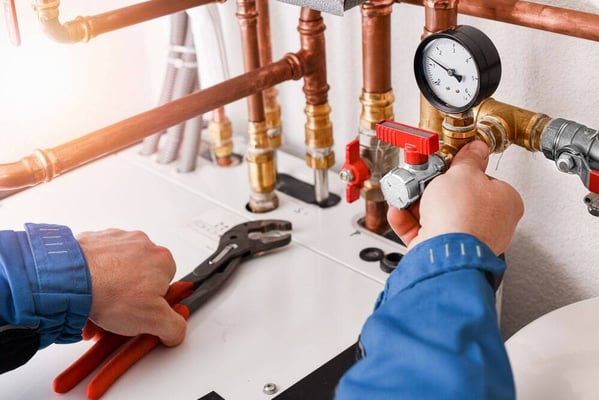
Homeownership comes with a specific kind of dread. It usually starts with a faint drip-drip-drip in the middle of the night or the sudden realization that your socks are soaking wet while you’re standing in the middle of the kitchen. Your first instinct? Panic, obviously. Your second? Thinking you can probably fix it yourself with a YouTube tutorial and that adjustable wrench you’ve been keeping at the back of the garage.
But before you start tearing apart the pipes under your sink, you need to ask yourself: is this a quick “me” job, or is it time to call a professional Plumber Saratoga springs utah to save the day? The line between a successful DIY project and a flooded basement is thin. Knowing where that line sits is an important skill any homeowner should learn. Here’s when it’s worth calling in the professionals.
The Complexity of Modern Plumbing
Here’s the thing: plumbing isn’t just about water moving from point A to point B. Have you ever wondered why your sink gurgles when you flush the toilet? That’s usually a venting issue. Every plumbing fixture needs air to “breathe” so that the water can flow smoothly without creating a vacuum. If you’re DIYing a new sink location and you don’t understand how to tie into the existing vent stack, you’re going to end up with a system that smells like a sewer and drains like molasses.
Furthermore, you need to understand the local building codes. They aren’t just there to be annoying or to help the city collect permit fees. Codes are based on decades of trial and error regarding health and safety. Professional experts know codes by heart. They know exactly how much slope a horizontal drain line needs, and if you get that wrong, solids will stay behind while the water flows away, leading to a massive clog that you can’t fix with a plunger.
The DIY Risk
There’s a risk in DIY plumbing. If you mess up a painting project, you just buy another gallon of eggshell white and try again. If you mess up a plumbing project? You could be looking at thousands of dollars in water damage. Water is one of the most destructive forces on earth, and it doesn’t take much of it to ruin your hardwood floors, grow mold in your subfloor, or short out your electrical system. Honestly, is the $200 you saved on labor worth the $5,000 insurance deductible you’ll have to pay when a DIY pipe joint fails while you’re at work?
Speaking of insurance, that’s a major “hidden” factor. If your house floods because of a failed DIY repair, your insurance company might decide to be very difficult about your claim. They often want to see that major work was done by a licensed and insured professional. When you hire an expert, you will not only pay for their time, but also for their liability insurance. If they mess up, their insurance covers it.
Specialized Tools and Diagnostic Mastery
You probably don’t own a $5,000 sewer camera or a high-powered industrial hydro-jetter. Most homeowners have a plunger and maybe a cheap hand-crank snake that’s about as effective as a wet noodle. Professionals come with a van full of specialized gear that allows them to see through walls and deep into the ground. If you have a recurring clog, you could spend weeks pouring chemicals down the drain (which, by the way, eats your pipes), or a pro could run a camera down there and tell you in five minutes that you have tree roots growing through your main line.
Wrapping Up
The DIY spirit is a beautiful thing. It’s what makes a house feel like a home. But plumbing is one of those areas where “good enough” usually isn’t good enough. If the job involves opening up a wall, touching a gas line, or messing with the main sewage stack, do yourself a favor and call in the cavalry.

