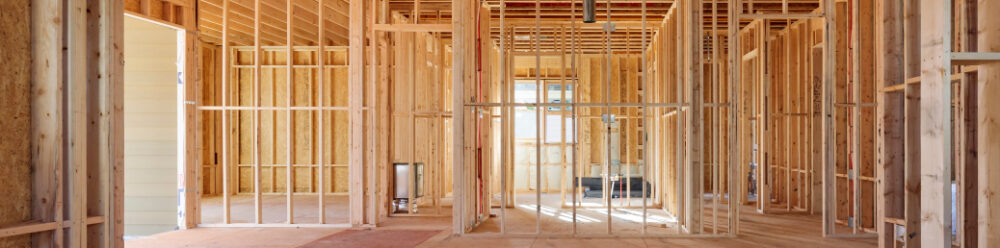


Modern homes are redefining how we live, blending innovation with elegance to create spaces that stand the test of time. Today’s interior design trends are not just about aesthetics, they reflect a deeper connection between functionality, sustainability, and personal expression. As we move forward, the future of interior design is being shaped by evolving lifestyles, technological advancements, and a renewed appreciation for timeless styles. This article explores how modern homes embrace timeless trends to deliver spaces that are both contemporary and enduring.
Introduction & Background
The evolution of interior design has always mirrored societal shifts, technological progress, and cultural changes. In the past, homes were designed primarily for function, with beauty often taking a backseat. However, as our lives become more fast-paced and digitally connected, the spaces we inhabit must adapt to support both our physical and emotional well-being. Modern homes today are more than just living quarters, they are sanctuaries that balance minimalism, technology, and comfort in innovative ways.
The significance of this shift lies in the growing demand for sustainable, adaptable, and aesthetically pleasing interiors. Homeowners are increasingly seeking designs that not only look good but also enhance daily living. From smart home integrations to biophilic design elements, the future of interior design is rooted in creating harmonious environments that resonate with modern values. This transformation reflects a broader cultural movement toward mindful consumption and personalized spaces.
Concept & Overview
Modern interior design in contemporary homes is defined by a fusion of cutting-edge technology, eco-friendly materials, and timeless design principles. At its core, the concept revolves around creating spaces that are not only visually appealing but also functional and sustainable. The key principle is to achieve a balance between form and function, where every element serves a purpose while contributing to the overall aesthetic.
This approach emphasizes simplicity, clean lines, and open layouts, which promote a sense of calm and order. At the same time, it incorporates natural elements and organic textures to foster a connection with the environment. By prioritizing quality over quantity, modern homes often feature durable materials and multifunctional furniture that adapt to changing needs. The result is a timeless design language that feels both fresh and enduring.
Key Features & Highlights
- Smart Home Integration: Modern homes are increasingly equipped with smart technologies that enhance convenience, security, and energy efficiency. From automated lighting and thermostats to voice-controlled assistants, these features allow homeowners to customize their living spaces with ease.
- Sustainable Materials: The use of eco-friendly materials such as reclaimed wood, bamboo, and recycled metals is becoming standard in modern interior design. These materials not only reduce environmental impact but also add character and warmth to spaces.
- Open and Flexible Layouts: Open floor plans continue to dominate, promoting better flow and interaction between rooms. Flexible layouts with movable walls or modular furniture allow homeowners to adapt spaces to different needs, whether for work, relaxation, or entertainment.
- Biophilic Design: Incorporating natural elements like indoor plants, water features, and large windows creates a stronger connection to nature. This design approach has been shown to improve mood, productivity, and overall well-being.
- Minimalist Aesthetics: The mantra “less is more” guides many modern designs. Clean lines, neutral color palettes, and uncluttered spaces create a sense of tranquility and sophistication. However, this minimalism is balanced with carefully chosen statement pieces that add personality.
- Multifunctional Furniture: Furniture that serves multiple purposes is a hallmark of modern homes. From sofa beds to extendable dining tables, these pieces maximize space without compromising on style or comfort.
Frequently Asked Questions / Pros & Cons
What defines a modern home in terms of interior design?
A modern home is characterized by its emphasis on simplicity, functionality, and sustainability. It often features open layouts, minimalist aesthetics, smart home technologies, and the use of natural materials. The design prioritizes clean lines and uncluttered spaces while incorporating elements that enhance comfort and livability.
Are modern interior designs expensive to implement?
While some modern design elements, such as smart home systems and high-quality sustainable materials, can be costly upfront, they often lead to long-term savings. Energy-efficient appliances and durable materials reduce utility bills and maintenance costs over time. Additionally, prioritizing key features rather than adopting every trend can help manage expenses.
Pros of Modern Interior Design:
- Enhanced functionality and adaptability for changing lifestyles.
- Improved energy efficiency and reduced environmental footprint.
- Timeless appeal that remains stylish for years.
- Better integration of technology for convenience and security.
Cons of Modern Interior Design:
- Higher initial costs for smart technology and premium materials.
- Potential for overly minimalist designs to feel cold or impersonal without careful planning.
- The need for regular updates to keep up with rapidly evolving smart home technologies.
Practical Guidance & Solutions
If you’re looking to incorporate modern design trends into your home while keeping them timeless, start by focusing on the fundamentals. Begin with a neutral color palette as your base, which provides a versatile backdrop for adding accents and personal touches over time. Invest in high-quality, multifunctional furniture that can adapt to your evolving needs, ensuring your space remains practical and stylish.
Prioritize sustainability by choosing materials that are both durable and eco-friendly. Look for certifications such as FSC (Forest Stewardship Council) for wood products or Cradle to Cradle for overall sustainability. When integrating smart home technologies, opt for systems that are user-friendly and compatible with future upgrades to avoid obsolescence.
To prevent a space from feeling too sterile, layer in textures and natural elements. Soft furnishings like rugs, throws, and cushions can add warmth, while indoor plants and wooden accents bring a touch of nature indoors. Finally, don’t be afraid to mix modern and traditional pieces to create a balanced, personalized look that feels inviting and timeless.
Conclusion
The future of interior design lies in creating homes that are not only beautiful but also meaningful and sustainable. Modern homes today are embracing timeless trends that prioritize functionality, technology, and a deep connection to nature. By blending innovation with classic design principles, these spaces are poised to stand the test of time, offering both style and substance for generations to come.
As we continue to navigate a rapidly changing world, the principles of modern interior design provide a roadmap for creating environments that support our well-being and reflect our values. Whether you’re building a new home or refreshing an existing space, the key is to focus on quality, adaptability, and personal expression. In doing so, you’ll craft a home that is not just modern, but truly timeless.
