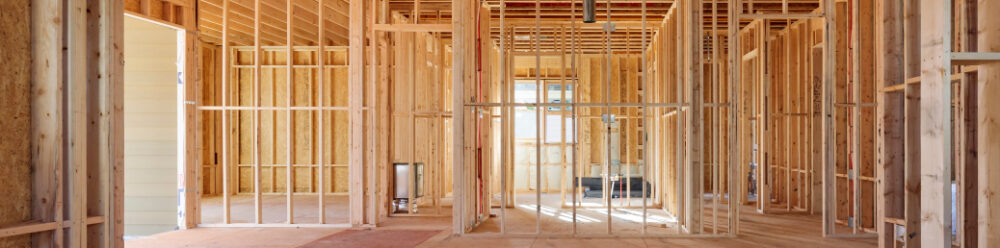


Introduction & Background
Modern architecture stands at the crossroads of innovation and necessity, reshaping the way we live, work, and interact with our surroundings. The rapid pace of urbanization, coupled with technological advancements and environmental concerns, has compelled architects to rethink traditional design paradigms. Reinventing spaces is no longer just an aesthetic choice but a fundamental requirement to address the challenges of sustainability, functionality, and human well-being. From towering skyscrapers that double as vertical forests to modular homes that adapt to changing needs, contemporary architecture is breaking free from convention, offering solutions that are as bold as they are practical. This transformation reflects a deeper shift in societal values, where buildings are no longer seen merely as static structures but as dynamic entities that contribute to the health of both people and the planet.
Concept & Overview
The core idea behind reinventing spaces in modern architecture revolves around three interconnected principles: sustainability, adaptability, and human-centric design. Sustainability involves using eco-friendly materials, energy-efficient systems, and renewable resources to minimize environmental impact. Adaptability emphasizes flexibility, allowing structures to evolve with changing demands, whether due to technological advancements or shifting lifestyles. Human-centric design prioritizes the well-being of occupants, ensuring that spaces are not only functional but also promote health, comfort, and connectivity. Together, these principles create a new architectural language that is responsive, responsible, and revolutionary. Architects today are leveraging cutting-edge technologies like artificial intelligence, 3D printing, and smart materials to push the boundaries of what is possible, turning once-fanciful ideas into tangible realities.
Key Features & Highlights
- Sustainable Materials: The use of recycled, biodegradable, and low-carbon materials such as cross-laminated timber, bamboo, and reclaimed steel is becoming standard practice. These materials reduce the carbon footprint of construction while enhancing the aesthetic appeal of buildings.
- Biophilic Design: Incorporating natural elements such as greenery, water features, and natural light into architectural plans fosters a connection between humans and nature. This approach has been proven to reduce stress, boost productivity, and improve mental health.
- Smart Buildings: Integration of IoT (Internet of Things) devices, sensors, and automated systems allows buildings to optimize energy use, monitor air quality, and enhance security. Smart buildings adapt to the needs of their occupants in real time, creating more efficient and comfortable environments.
- Modular & Prefabricated Construction: Off-site manufacturing of building components reduces construction time, minimizes waste, and lowers costs. Modular designs also offer the flexibility to reconfigure spaces as needs change, making them ideal for both residential and commercial projects.
- Net-Zero Energy Buildings: These structures generate as much energy as they consume through renewable sources like solar panels, wind turbines, and geothermal systems. Net-zero buildings are a critical step toward achieving global sustainability goals and reducing reliance on fossil fuels.
- Adaptive Reuse: Transforming old or abandoned buildings into new functional spaces preserves cultural heritage while reducing the need for new construction. Adaptive reuse projects breathe new life into historic structures, making them relevant for modern use.
Frequently Asked Questions / Pros & Cons
What are the biggest challenges in implementing sustainable architecture?
The primary challenges include higher upfront costs, limited availability of sustainable materials, and the need for specialized expertise. While long-term savings and environmental benefits are clear, the initial investment can be a barrier for many developers. Additionally, sourcing sustainable materials may require working with suppliers who adhere to strict ethical and environmental standards, which can be difficult in regions with limited access to such resources.
How does biophilic design improve the quality of life?
Biophilic design has been shown to reduce stress levels, enhance creativity, and improve cognitive function. Exposure to natural elements like plants, water, and natural light helps regulate the body’s circadian rhythms, leading to better sleep patterns and overall mental well-being. In workplaces, biophilic elements have been linked to increased productivity and employee satisfaction, while in healthcare settings, they can accelerate recovery times for patients.
Are smart buildings expensive to maintain?
While the initial cost of installing smart systems can be high, the long-term savings in energy, maintenance, and operational efficiency often outweigh the expenses. Smart buildings use predictive maintenance to identify issues before they become costly problems, and automated systems optimize energy consumption, reducing utility bills. Additionally, the ability to monitor and control building functions remotely can lead to significant cost savings over time.
Can modular construction meet diverse architectural needs?
Absolutely. Modular construction offers a high degree of customization, allowing architects to design spaces that cater to a wide range of functions, from residential homes to commercial offices and even temporary shelters. The modular approach also enables quick reconfiguration of spaces, making it ideal for projects that require adaptability, such as co-working spaces or disaster relief housing.
What are the drawbacks of adaptive reuse projects?
The main drawbacks include the potential for higher renovation costs due to structural or regulatory challenges, as well as the difficulty in preserving historic or cultural elements while meeting modern building codes. Additionally, adaptive reuse projects may require extensive research to ensure the building’s history and significance are respected, which can add complexity to the design process. However, these challenges are often outweighed by the unique character and sustainability benefits that adaptive reuse provides.
Practical Guidance & Solutions
For architects, developers, and homeowners looking to embrace the principles of modern architecture, several actionable steps can facilitate a smoother transition. First, prioritize collaboration with sustainability experts and material suppliers to source eco-friendly options that align with project goals. Conduct thorough feasibility studies to assess the long-term viability of sustainable systems, such as solar panels or rainwater harvesting, ensuring they are cost-effective and efficient.
When designing spaces, consider the end-users’ needs and preferences. For residential projects, incorporate flexible layouts that can adapt to different life stages, such as growing families or aging occupants. In commercial spaces, focus on creating environments that enhance productivity and well-being, such as incorporating biophilic elements or ergonomic furniture. Utilize modular construction techniques to reduce waste and construction time, and explore adaptive reuse opportunities to give new purpose to existing structures.
For those new to smart buildings, start with small-scale implementations, such as installing smart thermostats or lighting systems, before investing in more complex solutions. Partner with technology providers to ensure seamless integration and ongoing support. Additionally, stay informed about emerging trends and innovations in sustainable architecture, such as the use of self-healing concrete or carbon-negative building materials, to future-proof your projects.
Conclusion
The face of modern architecture is evolving at an unprecedented pace, driven by a collective desire to create spaces that are not only visually striking but also sustainable, adaptable, and human-centered. The bold new wave of design is redefining the relationship between buildings and their occupants, proving that architecture can be both an art form and a force for positive change. As we continue to push the boundaries of innovation, the possibilities for reinventing spaces are limitless. Whether through the integration of smart technologies, the embrace of biophilic principles, or the revival of historic structures, contemporary architecture is shaping a future where every space is thoughtfully designed to enhance life in every dimension. The journey toward this vision is just beginning, and the impact it will have on generations to come cannot be overstated.


