
For homeowners looking to enhance the aesthetic appeal, durability, and value of their property, the choice of exterior siding is one of the most critical decisions. While traditional materials like wood, vinyl, and brick have long dominated the market, a revolutionary alternative has emerged as a top contender for both new construction and remodeling projects: Nichiha Fiber Cement Siding. This material is a composite powerhouse, engineered to offer the warmth and texture of natural materials while boasting a resilience that outperforms nearly every other siding option. Understanding what fiber-cement siding is, how it’s made, and its multifaceted benefits is essential for any homeowner considering a lasting and low-maintenance exterior upgrade.
Fiber cement siding is exactly what its name suggests: a composite material made from a combination of wood pulp (for flexibility), cement (for durability and binding), sand (for bulk), and water (to activate and mix the ingredients). This specific formulation results in a product that is denser, heavier, and more durable than wood or vinyl, making it uniquely suited to withstand the rigors of various climates and environmental challenges. Its popularity has soared because it successfully bridges the gap between high-performance engineering and stunning architectural aesthetics.
The Anatomy of Durability: Composition and Strength
The manufacturing process of fiber cement siding is key to its legendary durability. The raw materials are mixed into slurry, pressed into large sheets under immense pressure, and then cured with heat. This process creates a stable, non-combustible material that resists many of the common threats to exterior housing materials.
Unlike wood, which is organic and prone to rot, warping, and insect damage, fiber cement is inorganic and impervious to these threats. It is fortified by the strength of cement and silica, meaning pests like termites have no interest in making it a meal.
Aesthetic Versatility: Achieving the Desired Look
One of the most appealing aspects of fiber cement siding is its incredible versatility in design. Many homeowners desire the classic look of clapboard or cedar shingles but are deterred by the maintenance requirements of real wood. Fiber cement offers a high-fidelity alternative.
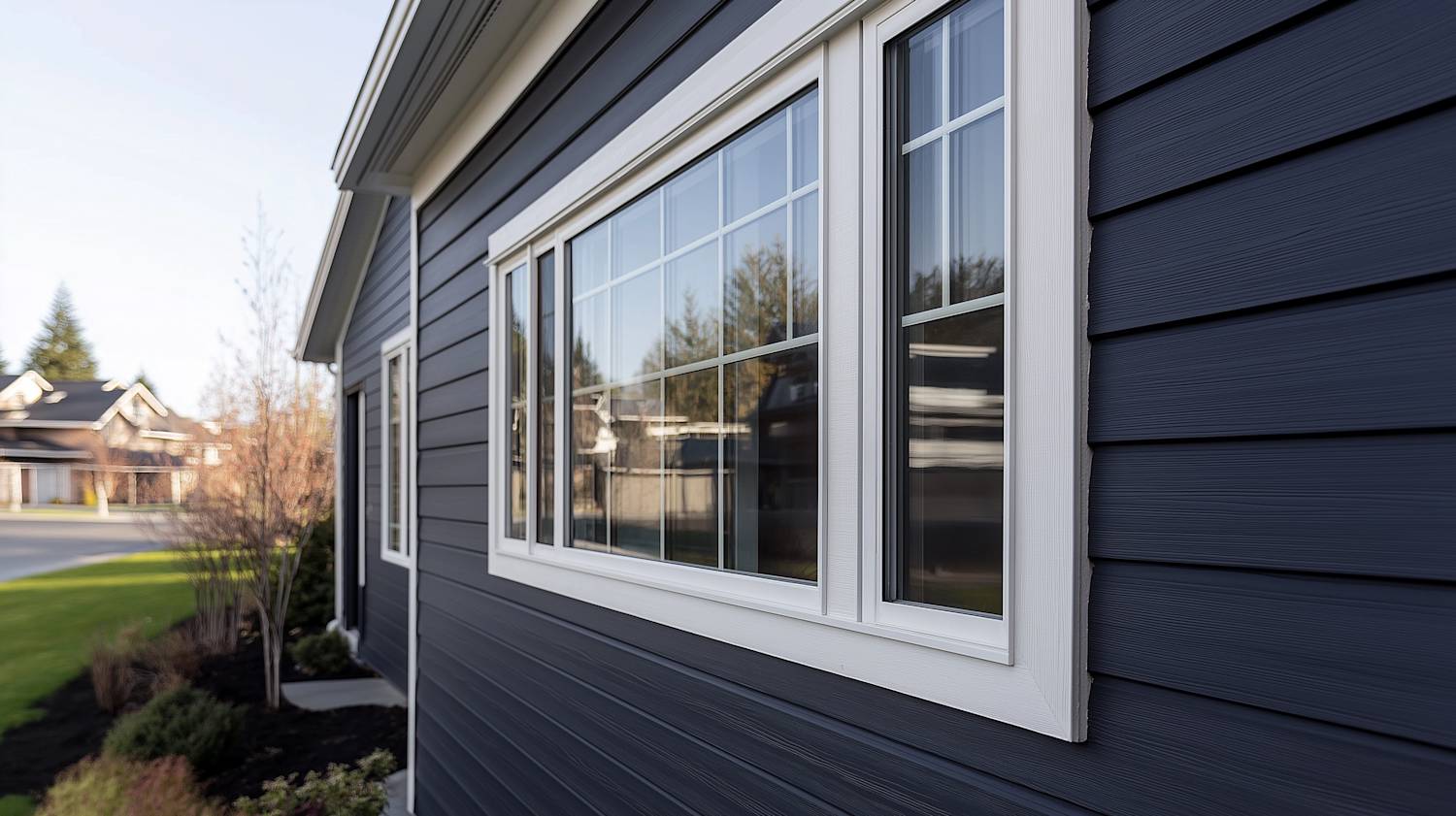
The material can be molded to mimic the grain, knots, and textures of natural wood, providing a rustic or historic appearance without the associated upkeep. It can be manufactured in traditional horizontal lap siding, vertical siding, or even shingle and shake styles. This versatility allows architects and homeowners to achieve virtually any look, from the smooth, contemporary lines of modern architecture to the timeless charm of a craftsman bungalow. In terms of color, fiber cement offers two main options: pre-finished and primed for field painting. Pre-finished siding comes baked with a durable, long-lasting paint coat that is often warrantied for up to 15 years against peeling or chipping. This factory finish is typically superior to a job-site paint application. However, primed siding allows the homeowner ultimate color flexibility and the ability to repaint as styles change.
Installation Considerations: The Weight Factor
While fiber cement is lauded for its performance, it is important for homeowners to be aware of its primary drawback: weight. The density that contributes to its durability also makes it heavy and somewhat cumbersome to install. This is not a material suited for a typical do-it-yourself project.
Installation requires special tools, including carbide-tipped saw blades and often specialized dust-control equipment, as cutting the material produces silica dust that must be managed safely. Due to the weight and the risk of chipping or cracking during handling, it requires a skilled, professional installation team. Labor costs for fiber cement siding are generally higher than for vinyl, a factor that must be included in the initial project budget. However, the higher upfront cost is almost always offset by the long-term savings in maintenance and replacement costs.
Conclusion: A Superior Exterior Envelope
Fiber cement siding represents a superior synthesis of form and function for the exterior of a home. It offers the enduring beauty of natural wood finishes while providing exceptional resilience against fire, pests, and the elements. For the informed homeowner, it stands as a clear choice for creating a durable, low-maintenance, and aesthetically pleasing exterior envelope. While the initial investment may be higher due to material cost and professional installation requirements, the unparalleled longevity, minimal maintenance, and enhanced safety features make fiber cement siding a strategic decision that maximizes a home’s value and provides decades of secure, beautiful protection.
