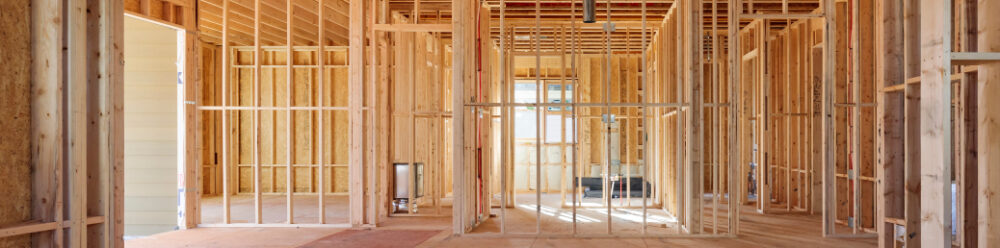


Urban living is evolving as cities adapt to changing lifestyles, work patterns, and design preferences. One of the most compelling shifts in recent years is the rise of warehouse apartments. Once used solely for storage and manufacturing, these industrial spaces are now being transformed into distinctive residential environments that appeal to modern city dwellers. This trend is not just about aesthetics. It reflects bigger changes in how people want to live, work, and connect within urban settings.
The Transformation of Industrial Spaces into Homes
Cities across the country have a growing inventory of historic warehouses that are no longer needed for industrial use. Instead of demolishing these structures, developers and communities are reimagining them as residential spaces. This approach preserves architectural character while meeting the demand for housing in urban centers.
Warehouse apartments often retain original design elements such as exposed brick walls, large windows, high ceilings, and open layouts. These features create a sense of space and authenticity that is difficult to replicate in new construction. For residents, living in a converted warehouse feels both modern and rooted in the city’s history.
Why Urban Residents Are Drawn to Warehouse Apartments
One reason warehouse apartments are gaining popularity is their unique aesthetic. Many renters and buyers are seeking homes that stand out from conventional apartment designs. Open floor plans allow for flexible use of space, making these apartments ideal for creative professionals, remote workers, and anyone who values customization.
Natural light is another major attraction. Large industrial windows flood living areas with daylight, creating a bright and welcoming atmosphere. Combined with high ceilings, this light enhances the feeling of openness and comfort.
Location also plays a key role. Warehouses were often built near transportation hubs and commercial districts. As a result, many warehouse apartments are located in walkable neighborhoods close to dining, entertainment, and employment centers. This convenience aligns perfectly with modern urban lifestyles.
Sustainability and Adaptive Reuse in Urban Housing
Sustainability is an increasingly important factor in housing decisions. Converting existing buildings into residential spaces reduces the need for new construction and minimizes environmental impact. Adaptive reuse makes efficient use of materials that are already in place, lowering waste and conserving resources.
Warehouse apartments often incorporate modern energy efficient systems while maintaining their original structure. This balance between old and new supports greener urban development and appeals to environmentally conscious residents. Cities benefit as well by revitalizing underused areas and encouraging smart growth rather than urban sprawl.
Community and Lifestyle Benefits
Living in warehouse apartments often fosters a strong sense of community. These developments frequently include shared amenities such as rooftop spaces, fitness areas, and communal lounges. The open design and shared history of the building encourage social interaction among residents.
In many cities, warehouse conversions are part of larger neighborhood revitalization efforts. New housing brings increased foot traffic, which supports local businesses and cultural activities. Over time, these areas become vibrant mixed use communities where people can live, work, and socialize in close proximity.
A Closer Look at Urban Demand in Growing Cities
Demand for distinctive urban housing is especially strong in cities experiencing population growth and economic diversification. Creative industries, technology sectors, and remote work trends have increased interest in flexible living spaces. Warehouse apartments meet these needs by offering adaptable layouts and inspiring environments.
For example, interest in Warehouse apartments for rent in Minneapolis continues to grow as residents seek housing that reflects both modern living and the city’s industrial heritage. The blend of historic architecture and contemporary amenities appeals to individuals who value character as much as convenience.
Affordability and Long Term Value
While warehouse apartments are often seen as premium spaces, they can also offer long term value. The durability of industrial construction means these buildings were designed to last. Thick walls, solid materials, and spacious interiors contribute to a sense of quality that residents appreciate over time.
In some markets, warehouse apartments provide a more affordable alternative to new luxury developments, especially when located in revitalizing neighborhoods. As these areas continue to develop, residents may benefit from improved infrastructure and services without the initial high costs associated with brand new construction.
The Future of Warehouse Apartments in Urban Housing
As cities continue to evolve, warehouse apartments are likely to remain a significant part of the urban housing landscape. They address multiple needs at once by preserving history, supporting sustainability, and offering unique living experiences. This adaptability makes them resilient in the face of changing economic and social trends.
Urban planners and developers increasingly recognize the value of creative reuse. By transforming industrial buildings into desirable homes, cities can meet housing demand while maintaining their unique identity. For residents, warehouse apartments represent more than just a place to live. They offer a connection to the past, flexibility for the present, and a sustainable vision for the future.
Warehouse apartments are redefining urban housing trends by blending character, functionality, and sustainability. Their rise reflects a shift toward thoughtful design and meaningful living spaces in city environments. As more people seek homes that align with their values and lifestyles, warehouse apartments will continue to shape the future of urban living.
