

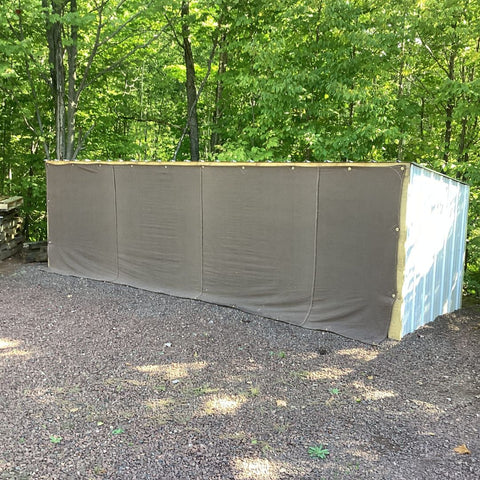
In a world where off-the-shelf solutions often fall short of specific industrial and domestic needs, custom made tarps have emerged as the gold standard for protection. No longer just a simple “blue sheet” from a local hardware store, modern tarps are precision-engineered tools designed to withstand extreme environments, improve safety, and provide a perfect fit for irregularly shaped assets. Whether you are shielding heavy machinery, partitioning an industrial workspace, or protecting a delicate outdoor living area, understanding the nuances of customization is the key to a long-lasting investment. This guide explores the essential factors that define quality and performance in the modern era of protective coverings.
Selecting the Right Material for the Mission
Material selection is the foundation of a successful custom tarp. The “best” material depends entirely on the environment and the intended lifespan of the cover. Polyethylene remains a popular choice for lightweight, cost-effective, and waterproof protection, often used for temporary construction covers or agricultural needs. However, for long-term industrial use, Polyvinyl Chloride—commonly known as PVC or vinyl—is the industry standard. It is incredibly durable, resistant to oils and chemicals, and can be treated for flame retardancy and extreme UV exposure.
Recent innovations have also introduced high-performance alternatives such as thermoplastic olefins and advanced polyesters. These materials provide the strength of heavy-duty vinyl but with a significantly lower environmental footprint, as they are often more easily recycled. For applications requiring ventilation, such as covering timber or organic materials, heavy-duty canvas or breathable mesh provides the necessary airflow to prevent mold and mildew while still offering a substantial barrier against the elements.
Advanced Features and Performance Enhancements
The modern custom tarp is defined by its details. One of the most significant advancements is the shift toward heat-reflective and UV-focused coatings. As seasonal temperatures reach new highs, protecting equipment from thermal stress has become a priority. Reflective tarps can reduce surface temperatures significantly, preventing the overheating of sensitive electronics or the warping of plastics. Additionally, insulated tarps are now widely used in colder climates to maintain heat for concrete curing or to protect temperature-sensitive cargo during transit.
Hardware durability has also seen a leap forward. Rust-proof brass or stainless steel grommets are now often replaced or supplemented by reinforced D-rings sewn into multi-layer webbing. This distributes the load more evenly across the fabric, preventing the “pull-out” failures common in cheaper alternatives. For large-scale industrial use, modular panel systems are becoming more common, allowing users to connect multiple custom tarps to cover massive areas while still maintaining the ease of handling smaller, individual pieces.
Sustainability and the Circular Economy
As corporate and personal environmental goals become more prominent, the tarp industry is moving toward a circular model. Many premium manufacturers now offer take-back programs, where old, worn-out tarps can be returned and processed into new plastic products rather than ending up in a landfill. Choosing a high-quality, durable custom tarp is in itself a sustainable choice, as it reduces the frequency of replacement and the total volume of waste generated over time.
Furthermore, new non-toxic formulations are becoming the standard. Modern tarps are increasingly free from harmful additives like phthalates, lead, or cadmium. This makes them safer to handle for work crews and more appropriate for use in sensitive environments like agriculture or around food service equipment. By investing in a high-quality, eco-friendly custom tarp, buyers are aligning their protective needs with a commitment to environmental stewardship.
Conclusion
A custom-made tarp is a sophisticated investment in the preservation of your most valuable assets. By moving away from generic solutions and embracing the precision of tailored sizing, specialized materials, and advanced hardware, you ensure a level of protection that standard products simply cannot match. Whether you are navigating the rigors of a construction site or securing a backyard project, the right tarp provides more than just a barrier; it provides the peace of mind that your equipment is safe, secure, and ready for whatever the environment throws its way. In the modern landscape of protective gear, customization is not just a luxury—it is the default choice for those who value longevity and performance.

